01Dec 2023
Unveiling the Truffle: Exploring a hidden culinary treasure
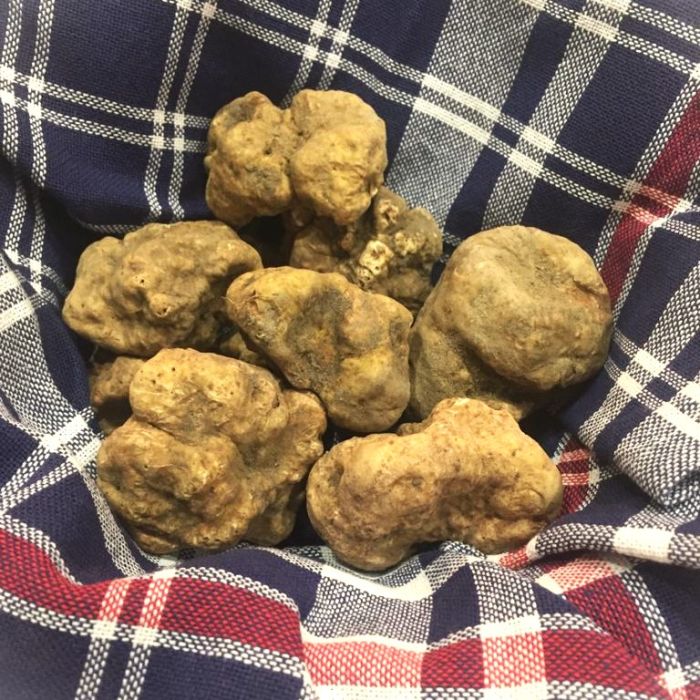
Truffles have been a source of mystery, desire, and fascination for gourmet enthusiasts and chefs worldwide for centuries. Also known as the "diamonds of the kitchen," truffles have been considered exclusive delicacies since the early days of gastronomy. Roman mythology tells a captivating tale of Jupiter's lightning strike near an oak tree creating the truffle. Over the centuries, truffles have remained symbols of luxury and sophistication, cherished by kings, emperors, and nobility.
The world of truffles unveils a culinary enigma—shaped like a tuber, growing underground, with an unmistakable aroma. But what exactly is a truffle? Truffles are hypogeous fungi, mainly composed of water, fibers, and minerals, growing symbiotically with the roots of certain trees, absorbing essential nutrients. There are various types of truffles, with the most renowned being the prized white truffle (Tuber magnatum pico), the black truffle (Tuber melanosporum), and the summer black truffle, Scorzone (Tuber aestivum). Their shapes vary based on the soil they grow in, presenting as spherical in soft terrain or irregular in harder ground.
If you decide to embark on a truffle hunt, acquiring a well-trained dog is recommended, although tradition once favored the use of pigs. However, pigs have an undeniable fondness for truffles, making it challenging to restrain them from devouring every fungi find.
Truffle hunting is an ancient and captivating art that demands skill, intuition, a special connection with nature, and knowledge of the areas where truffles thrive. Italy stands as the world's leading producer and exporter of the prized white truffle (tuber magnatum). The most significant truffle-harvesting regions in Italy include Piedmont, notably the Alba region, southeastern Lombardy, Emilia-Romagna along the entire Apennine range from Piacenza to Forlì, Tuscany, a significant part of central Italy, and more recently, some regions in the southern part of the peninsula.
As you may have guessed, truffles are relatively rare fungi, found only in nature and challenging to cultivate unless in specific truffle orchards. Their growth is sensitive to seasonal variations. Being a highly prized product, the truffle's price is determined weekly through a true truffle market. The final cost is influenced by size, shape, color, and maturity.
Feeling hungry? The best truffle to eat is fresh, enhancing a variety of dishes from pastas to risottos, cheeses, and eggs. If you wish to preserve it, wrap it in a paper towel, place it in a jar in the refrigerator, and remember to change the paper daily.
Given that truffles come from the earth, meticulous cleaning is essential to eliminate potential impurities. The cleaning process is not just a matter of hygiene but allows the full flavor of this fungus to shine. Use a soft brush moistened with cold water. Brushing should be done delicately to avoid damaging or detaching the outer part of the truffle. If the fungus is particularly dirty, a brief immersion in cold water or rinsing under a light stream of water is acceptable. Once cleaned, the truffle should be carefully dried.
Truffles add a magical touch to any dish, providing a unique aroma and flavor. The charm and importance of hunting for this special treasure led to the official inclusion of truffle seeking and harvesting in Italy into UNESCO's list of oral and intangible heritage on December 2021.
What is a Truffle? Unearthing the culinary enigma
The world of truffles unveils a culinary enigma—shaped like a tuber, growing underground, with an unmistakable aroma. But what exactly is a truffle? Truffles are hypogeous fungi, mainly composed of water, fibers, and minerals, growing symbiotically with the roots of certain trees, absorbing essential nutrients. There are various types of truffles, with the most renowned being the prized white truffle (Tuber magnatum pico), the black truffle (Tuber melanosporum), and the summer black truffle, Scorzone (Tuber aestivum). Their shapes vary based on the soil they grow in, presenting as spherical in soft terrain or irregular in harder ground.
The ancient and fascinating art of Truffle hunting
If you decide to embark on a truffle hunt, acquiring a well-trained dog is recommended, although tradition once favored the use of pigs. However, pigs have an undeniable fondness for truffles, making it challenging to restrain them from devouring every fungi find.
Truffle hunting is an ancient and captivating art that demands skill, intuition, a special connection with nature, and knowledge of the areas where truffles thrive. Italy stands as the world's leading producer and exporter of the prized white truffle (tuber magnatum). The most significant truffle-harvesting regions in Italy include Piedmont, notably the Alba region, southeastern Lombardy, Emilia-Romagna along the entire Apennine range from Piacenza to Forlì, Tuscany, a significant part of central Italy, and more recently, some regions in the southern part of the peninsula.
Why do Truffles cost so much? Unraveling the economics of rarity
As you may have guessed, truffles are relatively rare fungi, found only in nature and challenging to cultivate unless in specific truffle orchards. Their growth is sensitive to seasonal variations. Being a highly prized product, the truffle's price is determined weekly through a true truffle market. The final cost is influenced by size, shape, color, and maturity.
Tips and Tricks: from cleaning to conservation
Feeling hungry? The best truffle to eat is fresh, enhancing a variety of dishes from pastas to risottos, cheeses, and eggs. If you wish to preserve it, wrap it in a paper towel, place it in a jar in the refrigerator, and remember to change the paper daily.
Given that truffles come from the earth, meticulous cleaning is essential to eliminate potential impurities. The cleaning process is not just a matter of hygiene but allows the full flavor of this fungus to shine. Use a soft brush moistened with cold water. Brushing should be done delicately to avoid damaging or detaching the outer part of the truffle. If the fungus is particularly dirty, a brief immersion in cold water or rinsing under a light stream of water is acceptable. Once cleaned, the truffle should be carefully dried.
Truffles add a magical touch to any dish, providing a unique aroma and flavor. The charm and importance of hunting for this special treasure led to the official inclusion of truffle seeking and harvesting in Italy into UNESCO's list of oral and intangible heritage on December 2021.